Alur Orthopedic Implants
ACL and PCL injuries are common in sports and can significantly impact quality of life. A report by the American Academy of Orthopaedic Surgeons indicates that over 400,000 ACL reconstructions are performed annually in the United States alone. These injuries often require surgical intervention, and implants play a crucial role in treatment. How are ACL and PCL injuries treated with implants? This question has garnered significant attention from both medical professionals and patients alike.
Implants are used to provide structural support during the healing process. The use of biocompatible materials has advanced, allowing for better integration and reduced complications. However, not all procedures yield the same outcomes, highlighting the need for ongoing research and refinement in techniques. There is also debate about the best practices and materials, emphasizing the importance of tailored approaches for individual patients.
Recent studies indicate that using certain implants may improve recovery times and overall function. Yet, the ideal choice remains somewhat elusive. Factors like patient age, activity level, and prior injuries influence these decisions. Understanding these nuances is essential for optimal treatment strategies. There remains a gap in standardized protocols, revealing a need for further examination in this evolving field.
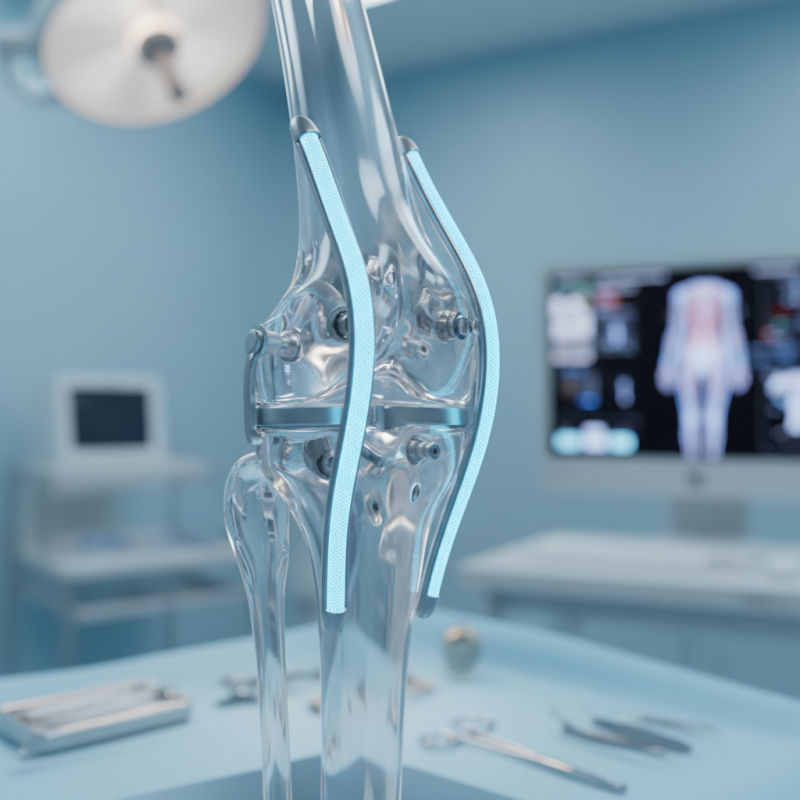
ACL (anterior cruciate ligament) and PCL (posterior cruciate ligament) injuries are common among athletes. These ligaments stabilize the knee joint. Injuries often stem from sudden stops, changes in direction, or direct impacts. They can lead to pain, swelling, and difficulty moving the knee. Understanding these injuries is crucial for effective treatment and recovery.
It’s important to recognize the signs of ACL and PCL injuries early. Swelling may occur within hours. Pain can limit your ability to bear weight. If you experience these symptoms, seeking medical advice promptly is essential.
Tips: Always warm up before exercise. Stretches can prepare your ligaments for stress. Additionally, consider strength training for knee stability. Proper technique in sports can reduce injury risk. Reflect on your past activities. Some movements might be putting you at risk. Learning from past injuries can guide future practices.
Preventing these injuries requires mindfulness. Pay attention to your body’s signals. If you feel discomfort, take a break. Rehabilitation techniques can help regain strength and function. Following a professional’s guidance ensures a safer return to physical activities. Understanding your body is key to injury prevention and recovery.
ACL and PCL injuries can severely impact mobility. Surgical techniques for reconstruction have evolved significantly over the years. Surgeons often use grafts, combined with implants, to restore ligament function. Modern procedures aim for minimal invasiveness and quicker recovery times.
When selecting surgical techniques, patient-specific factors matter. The surgeon's experience plays a critical role in outcomes. Innovations in arthroscopy have improved precision. However, not all patients may respond well to these techniques. Individual anatomy and age can affect healing.
Post-surgical rehabilitation is equally important. Patient adherence to a rehabilitation program influences long-term success. Some patients may struggle with pain management or physical therapy compliance. Awareness of these challenges can help surgeons tailor their approach. The goal remains to enhance quality of life through effective treatments.
The role of implants in treating ACL and PCL injuries has gained significant traction in recent years. These injuries affect thousands annually. Research indicates that more than 200,000 ACL injuries occur in the U.S. alone each year. Using implants in reconstruction surgeries can enhance healing and restore normal function.
Implants aid in stabilizing the joint, allowing for faster recovery and better outcomes. A study in the Journal of Orthopaedic Surgery reported that 85% of patients experienced success with implant-assisted surgeries. However, not all patients benefit equally. Some may face complications such as infection or improper alignment of the implant, leading to lingering issues.
Tip: Consult a specialist to assess your unique condition. They can provide data-driven insights on whether implants are suitable for you. It’s essential to consider all treatment options and be cautious about relying solely on implants.
The diverse materials used for implants, like titanium or biodegradable options, can influence healing. A 2022 report from the American Academy of Orthopaedic Surgeons highlighted that material choice directly affects recovery time and joint stability. It’s vital to engage in discussions with your healthcare provider regarding these decisions.
Recent advancements in biomaterials have transformed the treatment landscape for ACL and PCL injuries. Traditional surgery often relied on autografts or allografts, but new synthetic materials offer exciting alternatives. Research indicates that these modern implants enhance healing and attachment to bone. A study published in the Journal of Orthopedic Research highlighted that biodegradable materials could reduce postoperative complications by over 30%. This change supports the body’s natural healing process and minimizes long-term risks.
Current biomaterials include bioactive substances that promote tissue regeneration. For instance, silk fibroin and collagen-based scaffolds have shown promising results. Reports show these materials encourage cell growth and improve integration with surrounding tissues. However, challenges remain. While these innovations are groundbreaking, researchers must overcome issues like long-term durability and resilience under stress.
It's crucial to note that not all new materials have undergone extensive clinical testing. Some may exhibit unpredictable reactions in different patients. Continuous evaluation of these treatments is necessary to ensure optimal outcomes. The focus must remain on patient safety and the long-term effectiveness of these implants. As the field evolves, the potential for personalized treatment plans grows, paving the way for more tailored approaches to knee ligament injuries.
Post-surgery rehabilitation is crucial for optimal recovery from ACL and PCL injuries. A study from the Journal of Orthopaedic & Sports Physical Therapy found that structured rehabilitation can boost recovery rates by 30%. This includes specific exercises tailored to individual needs. Physicians recommend a mix of strengthening, balance training, and flexibility routines. These exercises not only enhance mobility but also reduce the risk of re-injury.
Patients are encouraged to follow a protocol that starts early. Using modalities like ice and electrical stimulation can alleviate initial pain and swelling. As healing progresses, gradual introduction of weight-bearing activities is vital. Physical therapists play a key role, guiding patients through each stage. Regular assessments help in modifying plans. According to a report from the American Academy of Orthopaedic Surgeons, adherence to these rehabilitation protocols can significantly improve functional outcomes.
However, not all patients experience the same recovery journey. Factors like age, activity level, and compliance can impact results. Some may still struggle with regaining full range of motion. It's essential for patients to communicate openly with their healthcare providers. This ongoing conversation can help identify barriers and adjust rehabilitation efforts accordingly. There are always elements of uncertainty in recovery, but structured rehabilitation can greatly mitigate risks.
| Treatment Type | Implant Used | Rehabilitation Timeline | Post-Surgery Protocols |
|---|---|---|---|
| ACL Reconstruction | Hamstring Graft | 6-12 months | Phase 1: Knee extension exercises, phase 2: Strengthening, phase 3: Agility drills |
| PCL Reconstruction | Patellar Tendon Graft | 6-9 months | Phase 1: Weight-bearing research, phase 2: Strengthening, phase 3: Sports-specific training |
| Combined ACL and PCL Reconstruction | Double-Bundle Graft | 9-12 months | Comprehensive rehab focusing on stability and strength restoration |
| ACL Revision Surgery | Rotational Graft | 12+ months | Extended rehabilitation including neuromuscular training |
CL and PCL injuries?
Look for swelling within hours or pain that limits weight-bearing. Seek medical advice if you experience these symptoms.
Always warm up before exercise. Stretching and strength training can prepare ligaments for stress and improve stability.
Implants stabilize the joint during reconstruction. They can enhance healing, but complications like infection or misalignment may occur.
Follow a structured plan with specific exercises. Early use of ice and electrical stimulation helps reduce initial pain.
Age, activity level, and compliance can impact recovery. Every patient’s journey is unique, and challenges may arise.
Implants can be made from titanium or biodegradable materials. Material choice affects recovery time and joint stability.
Regular assessments help adjust exercises and address challenges. Open communication with healthcare providers is crucial.
Yes, reflecting on past injuries can reveal risky movements. Learning from these experiences can guide safer activities.
Pay attention to your body's signals. If you feel discomfort, it's important to take a break and reassess your activity.
ACL (anterior cruciate ligament) and PCL (posterior cruciate ligament) injuries are common knee injuries often caused by sports-related activities or sudden movements. The current surgical techniques for treating these injuries typically involve reconstructive surgery, where damaged ligaments are replaced with grafts. How are ACL and PCL injuries treated with implants? The use of implants in these procedures enhances stability and promotes healing, allowing for a more effective recovery.
Advancements in biomaterials have significantly improved the performance of knee ligament implants, making them more bio-compatible and durable. These innovations not only facilitate better integration with the body but also support faster recovery post-surgery. Following the surgical intervention, a structured rehabilitation protocol is crucial for optimal recovery, helping patients regain strength and mobility while minimizing the risk of re-injury.
