Alur Orthopedic Implants
Alur Orthopedic Implants
Alur Orthopedic Implants
Bridging the gap between biocompatible engineering, surgical utility, and high-volume medical manufacturing output.
In modern sports medicine and orthopedic surgery, reconstruction of the Posterior Cruciate Ligament (PCL) demands unprecedented biomechanical accuracy. Unlike anterior procedures, PCL reconstruction is subjected to intense posterior tibial translation forces, necessitating fixation devices that deliver sustained shear resistance, high pull-out strength, and rapid osteo-integration capabilities. As a dedicated OEM/ODM PCL Fixation Factory & Exporter, we customize and manufacture surgical solutions that meet these clinical criteria directly.
Our macro-industry solutions extend beyond standard orthopedic implants to cover complete surgical pipelines. By combining medical-grade Polyetheretherketone (PEEK), Titanium Alloys (Ti6Al4V ELI), and bio-absorbable polymers (PLLA/PCL), we provide surgical systems designed to reduce postoperative rejection while accelerating bone remodeling. Our production strategy targets the complex requirements of national tenders, private hospital networks, and international distribution agents who demand structural consistency, clinical safety, and regulatory compliance at scale.
Developing implants from PEEK, high-grade Titanium, and proprietary bio-resorbable compositions engineered to mirror natural cortical bone elasticity, minimizing stress-shielding risks.
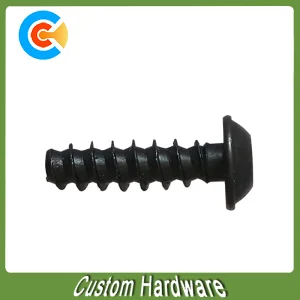
Optimizing thread depth, cannulation structures, and torque distribution profiles of interference and locking screws to deliver immediate primary fixation stability.
Precision-machined designs conforming to patient anatomy variations, preventing graft laceration during graft passage and tensioning protocols.
Analyzing global demand curves, regulatory environments, and supply chain logistics for medical implants.
The global orthopedic fixation market is undergoing a transition driven by demographic shifts, expanding access to sports medicine, and rising demand for minimally invasive outpatient surgeries. Emerging markets in Latin America (including Brazil, Colombia, and Peru) and North/East Africa (such as Egypt and Morocco) are seeing rapid expansions in modern surgical capabilities. Regional healthcare systems are actively updating their procurement models to prioritize long-term implant survival over simple price considerations.
To support this shifting landscape, our export operations bridge local service delivery with advanced manufacturing capabilities. Our production facility provides global partners with stable material sourcing, verified surface treatment technology, and standardized logistics. By utilizing an agile manufacturing pipeline, we manage regulatory challenges, steril packaging compliance, and customs clearance procedures, ensuring that our products reach regional distributors and top-tier teaching hospitals on time.
We help global distributors navigate varying medical device registration processes, providing complete technical documentation, raw material certification, and biocompatibility verification reports.
Our shipping infrastructure supports tracking, temperature monitoring (where required for biomaterials), and secure packaging protocols to maintain sterile barrier integrity through transit.
By coordinating production schedules with local contract-award timelines, we help distributors maintain healthy inventory levels, preventing surgical kit backorders in clinical settings.
From raw medical-grade materials to sterile packaging: inside our manufacturing workflow.
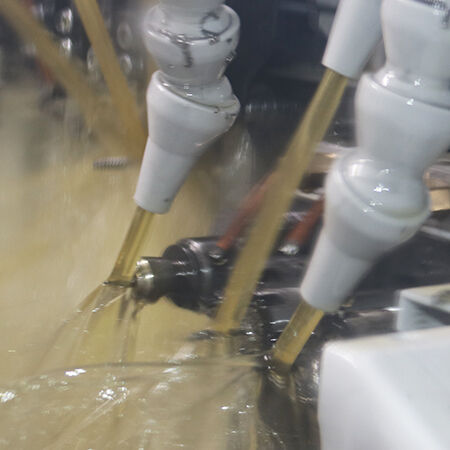
Our production facilities utilize precision manufacturing technology to turn engineering designs into clinically ready implants. Following our corporate strategy—"blue ocean, differentiation, and focus strategy"—we specialize in limb orthopedics, pediatric orthopedic care, and internal/external fixation solutions for foot and ankle surgery. Below is an overview of our core manufacturing and assembly processes:
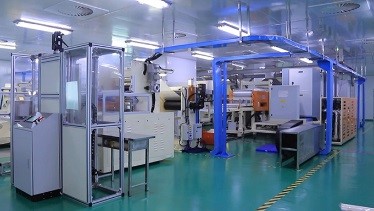
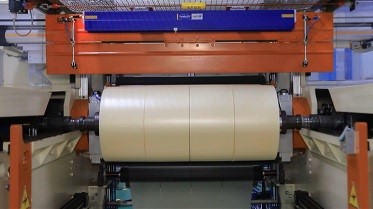
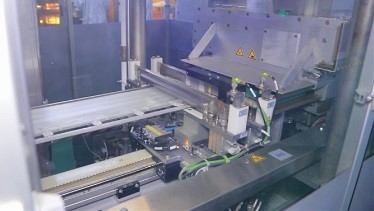
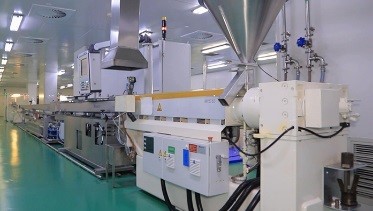
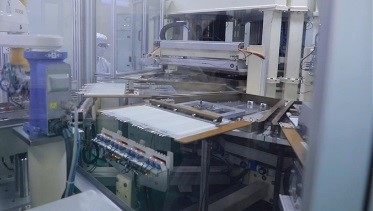
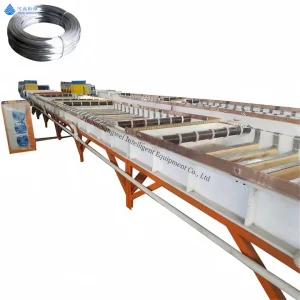
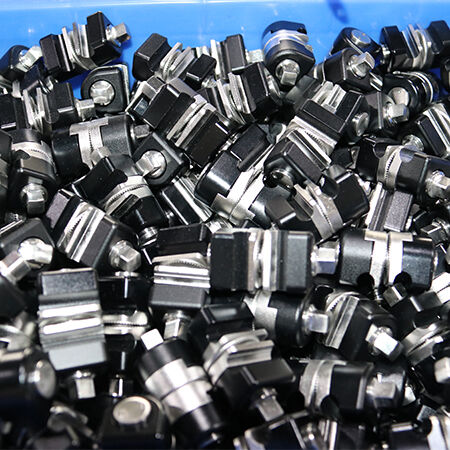
By operating integrated production lines, we maintain complete control over raw material conversion. For orthopedic products and surgical instrument kits, we perform slitting, custom tube extrusion, component welding, and final cleanroom assembly in-house. This structure limits contamination risks, secures dimensional tolerance, and provides flexibility for custom ODM modifications requested by our global medical device partners.
Every production batch undergoes structural and chemical verification to ensure patient safety and long-term implant survival.
Under ISO 13485 regulations, quality control is integrated throughout the manufacturing lifecycle rather than being a final check. To meet these standards, our quality control labs utilize dedicated testing equipment to verify the physical and chemical safety of every product batch:
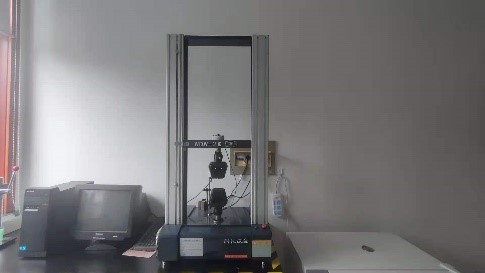
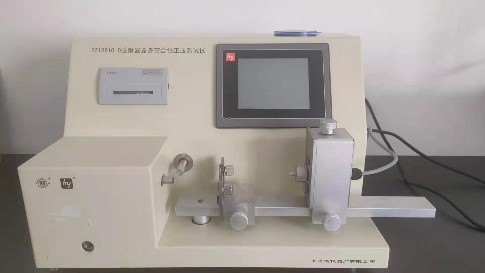
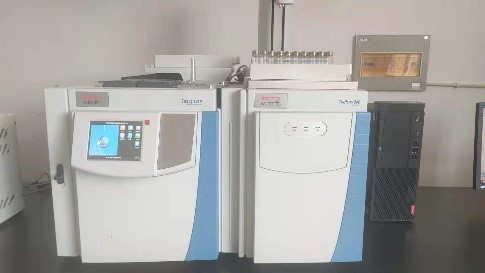
Our quality testing suite includes: Tension Testing to confirm pull-out resistance, shear strength, and fatigue life under simulated anatomical loading profiles; Tightness Testing to verify hermetic packaging seals and maintain sterile barrier durability; and Gas Chromatography to ensure that sterilizing agents like ethylene oxide (EO) are fully aerated and fall below regulatory safety limits. These testing workflows back our 27 national utility model patents, 6 invention patents, and 2 software copyrights.
Inside our standardized manufacturing environments, precision workshops, and cleanrooms.
How our implant portfolios adapt to trauma, joint reconstruction, and spinal fusion procedures.
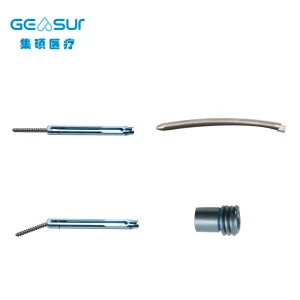
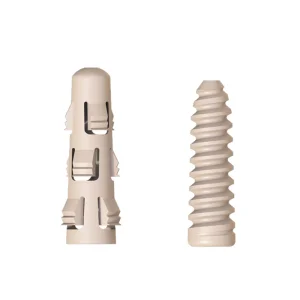
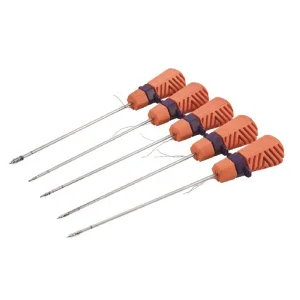
Our interference screws and suture anchors provide graft-to-bone fixation in ACL/PCL reconstructions. Using smooth thread runs, they help secure autografts or allografts without damaging the tissue fibers during screw insertion.
Cannulated axial-rotation pedicle screws and anterior cervical plates work together to stabilize spinal segments. This setup limits movement, helps manage deformity, and provides support during lumbosacral fusion.
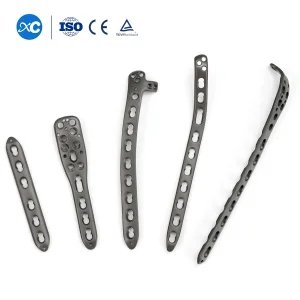
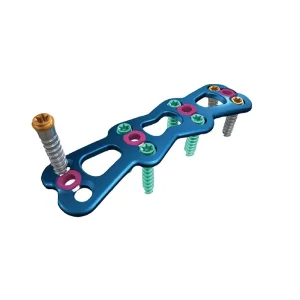
Using the Ilizarov external fixator foot rings and associated locking plates, surgeons can manage non-unions, perform bone transport, and stabilize tibia/fibula fractures in pediatric and adult reconstruction cases.
Developing next-generation implants with bio-inductive coatings, smart alloys, and customized geometries.
Looking ahead, the development of orthopedic implants is shifting toward active biological integration. Rather than functioning simply as inert supports, future implants will actively support natural bone healing. Our research team focuses on three core areas to improve implant performance:
Applying hydroxyapatite (HA) and plasma-sprayed titanium coatings to screw threads to speed up early bone attachment and increase long-term pull-out resistance.
Refining bio-absorbable composites to coordinate implant breakdown rates with the body's natural bone replacement speed, eliminating the need for a secondary removal surgery.
Using laser-sintered titanium powders to build complex, porous scaffold geometries that mimic the structural feel of trabecular bone, encouraging natural tissue integration.
Answers to common questions about materials, regulatory approvals, customization, and factory exports.
We use medical-grade Titanium Alloys (Ti6Al4V ELI in compliance with ASTM F136), pure medical-grade PEEK, and certified biodegradable PLLA/PCL polymers. All raw materials are sourced from verified suppliers and come with complete material test reports (MTR) and chemical analysis certificates.
Our products undergo ISO-validated sterilization cycles, primarily using ethylene oxide (EO) gas. We use gas chromatography testing to verify that residual sterilants are safely aerated below international exposure limits before shipping. Biocompatibility testing is conducted per ISO 10993 standards to verify safety.
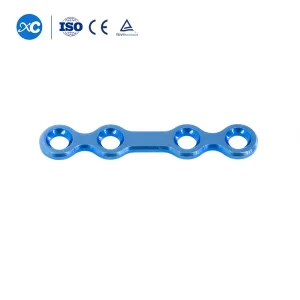
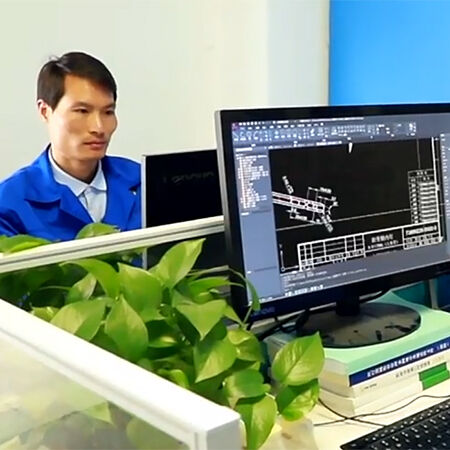
Yes, we provide end-to-end OEM and ODM support. Based on your target parameters or physical samples, our engineering team can produce CAD/CAM models, execute finite element analysis (FEA), and manufacture custom screw geometries, surgical plates, and instrumentation kits. We also assist with regulatory documentation for local tenders.
With capacity covering over 8,000 product specifications across orthopedic trauma, spinal implants, and surgical instruments, we maintain stable production pipelines to support regional markets. Our export network serves over 32 countries with dedicated shipping tracking and customs compliance support.