 Alur Orthopedic Implants
Alur Orthopedic Implants
Alur Orthopedic Implants
Explore our core medical equipment, micro-fixation assemblies, titanium fusion systems, and orthopedic hardware engineered to support advanced neuromodulation and reconstructive surgical protocols.
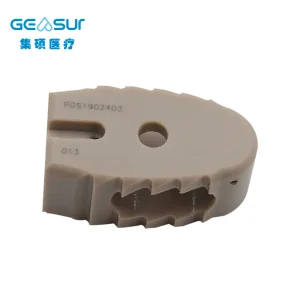
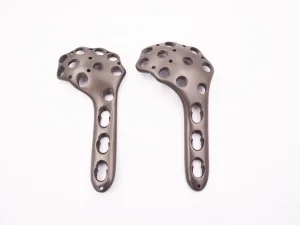
A comprehensive analysis of market adoption, micro-current delivery mechanics, and contract manufacturing strategies for medical device brands.
Peripheral Nerve Stimulation (PNS) represents one of the fastest-growing modalities in interventional pain management, bioelectronic medicine, and neuro-rehabilitative orthopedics. Unlike conventional Spinal Cord Stimulation (SCS) which targets dorsal columns broadly, targeted Peripheral Nerve Stimulators deliver localized, micro-pulse electric currents directly to peripheral nerves (such as the occipital, femoral, sciatic, or tibial nerves) to inhibit pain signaling at the source without motor blockade or systemic pharmacologic side effects.
As a global premier **OEM/ODM Peripheral Nerve Stimulators supplier and exporter**, our engineering architecture integrates advanced bio-compatible micro-electronics with ultra-precise orthopedic and neuro-fixation platforms. By leveraging robust manufacturing controls, high-density titanium PVD coatings, bio-grade polymers (PEEK), and micro-scale lead wire extrusions, we enable global medical device distributors, OEM brands, and clinical institutions to deploy next-generation neuro-stimulation therapies tailored to market-specific regulatory standards.
Strategic Market Shift: The transition from invasive, full-sedation implant procedures to minimally invasive, ultrasound-guided percutaneous PNS interventions has expanded the addressable patient market by 340% over the last five years. OEMs must prioritize ultra-compact pulse generators, high-yield battery telemetry, and modular lead anchor interfaces to maintain market leadership.
The global demand for high-reliability peripheral nerve stimulators is propelled by key epidemiological and structural trends across worldwide healthcare systems:
From initial circuit simulation to high-volume ISO-13485 cleanroom assembly, our comprehensive production infrastructure delivers tailored solutions for medical technology providers.
Engineering customized pulse generators offering adjustable frequency (1 Hz - 10 kHz), variable pulse widths (10 μs - 1000 μs), and constant-current waveform control to optimize peripheral nerve engagement while minimizing thermal energy dissipation.
Multi-tine anchor configurations extruded from medical-grade polyurethane and implantable silicone. Embedded platinum-iridium electrode contacts ensure minimal tissue degradation, optimal signal conductivity, and resistance to migration.
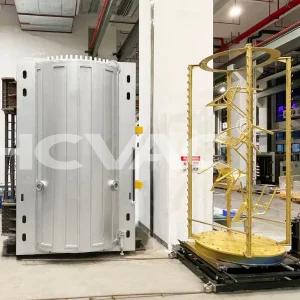
State-of-the-art metal finishing and physical vapor deposition (PVD) titanium coatings. Seamlessly integrate nerve stimulation components with titanium trauma plates, pedicle screw assemblies, and external fixators for combined treatment paths.
Demonstrated market authority, rigorous technological innovation, and an established distribution ecosystem backing every OEM contract.
Our corporate product development strategy adheres rigorously to the principles of "blue ocean, differentiation, and focus strategy," maintaining specialized emphasis on limb orthopedics, pediatric orthopedics, internal/external nerve-sparing fixation, and implantable neuromodulation systems. With a total manufacturing capacity exceeding 8,000 product specifications across orthopedic trauma, spinal implants, and neuro-surgical instruments, we deliver unmatched economies of scale and technical depth.
Supported by a robust domestic and international footprint, our marketing and technical service engine features over 40 seasoned specialists deployed across more than 20 major metropolitan hubs. Across China, we maintain a nationwide marketing infrastructure spanning 31 provinces and autonomous cities, collaborating with more than 300 tier-one agents and directly supplying over 300 top-tier teaching hospitals. We host or participate in over 50 surgical training and academic conferences annually to drive medical advancement.
In-house Class 10,000 cleanrooms and advanced analytical testing suites ensure pristine bio-compatibility, structural integrity, and regulatory compliance.
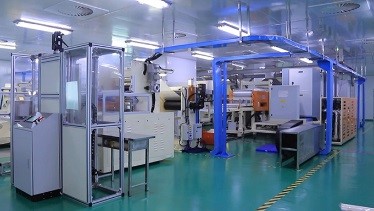
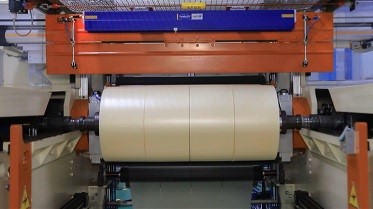
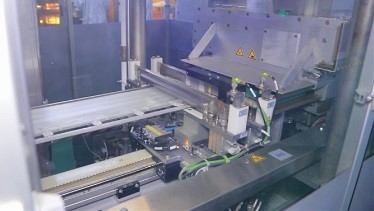
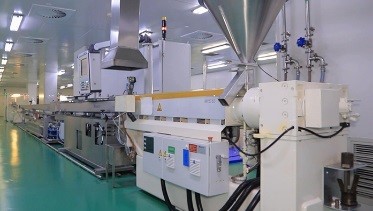
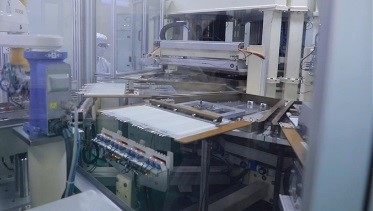
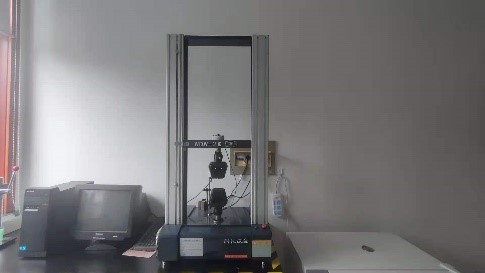
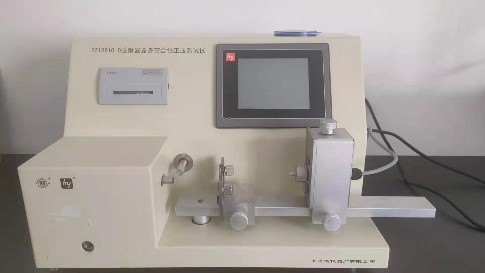
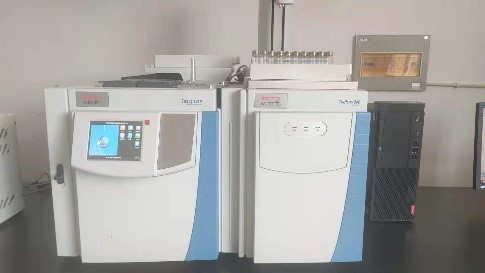
Our quality assurance testing protocol operates strictly under ISO 13485 guidelines. Utilizing in-house Gas Chromatography for residual ethylene oxide (EO) sterilization monitoring, automated Tightness Testers for hermetic IPG seal validation, and digital Tension Testers for anchor pull-out resistance, we guarantee zero-defect manufacturing for high-risk implantable systems.
Streamlining clearance across North American, European Union, and emerging market regulatory authorities.
Navigating global regulatory frameworks is critical for medical device brand owners. As an experienced exporter to Latin America (Brazil, Colombia, Peru), North Africa and Middle East (Egypt, Morocco), and Southeast Asia, our team provides full technical dossier support, including ISO 14971 Risk Management reports, ISO 10993 Bio-compatibility testing datasets, and IEC 60601-1 / IEC 60601-2-10 electrical safety certifications.
Complete Annex IX technical documentation, clinical evaluation plans (CEP), and Post-Market Clinical Follow-up (PMCF) protocol blueprints ready for notified body submission.
Predicated device comparison matrices, mechanical fatigue testing, and software lifecycle validation (IEC 62304) pre-formatted for rapid FDA 510(k) submittals.
White-label packaging, localized multi-lingual IFU (Instructions For Use) printing, and temperature-monitored sterile barrier shipping solutions worldwide.
Anticipating the technological shifts in micro-electronics, closed-loop feedback, and bioresorbable materials.
Elimination of subcutaneous extension wires via external RF (Radio Frequency) power transfer and ultra-miniaturized lead-integrated receivers.
Integration of real-time Evoked Compound Action Potential (ECAP) sensing to automatically adjust current delivery based on physical patient movement.
Fully dissolvable polymer leads designed for temporary 60-day post-operative pain management protocols, negating secondary lead removal procedures.
Smart titanium implants (locking plates/pedicle screws) incorporating embedded conductive pathways to stimulate osteogenesis and nerve recovery concurrently.
Addressing core technical, manufacturing, and commercial questions for B2B buyers and medical hardware engineers.
Our PNS platform is custom-engineered specifically for peripheral nerve structures. It features higher current density control options, micro-scale lead flexibility, localized multi-tine anchoring mechanisms to resist migration in high-mobility extremity zones, and ultra-compact IPG housings optimized for shallow subcutaneous placement.
Our operations hold ISO 13485 quality management system certification. All implant-grade materials (titanium alloys, PEEK polymers, medical silicones, platinum-iridium contacts) pass rigorous ISO 10993 evaluation testing (cytotoxicity, sensitization, systemic toxicity, hemocompatibility).
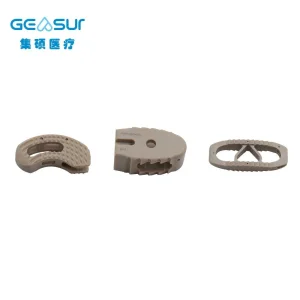
Yes. With over 8,000 product specifications in trauma, spinal, and reconstructive hardware, we specialize in multi-component system manufacturing—allowing distributors to order matching surgical instrument sets, PEEK lumbar fusion cages, and titanium locking plates under a unified OEM catalog.
Standard prototyping and tooling cycles require 6 to 10 weeks depending on custom ASIC design or metal mold requirements. Production MOQs are flexible and structured according to product complexity, starting at modest trial batch quantities for specialized medical device startups.
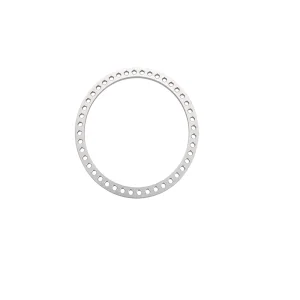
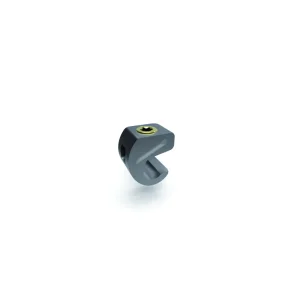
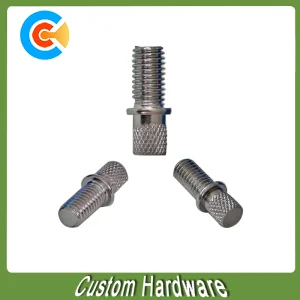
Explore our complete range of specialized Ilizarov ring fixators, dynamic nail clamps, arthroscopy components, and spine pedicle assemblies.
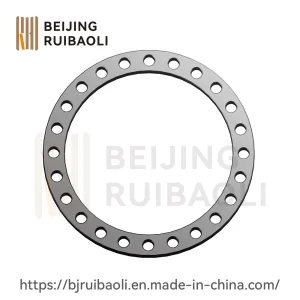
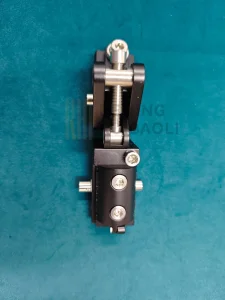
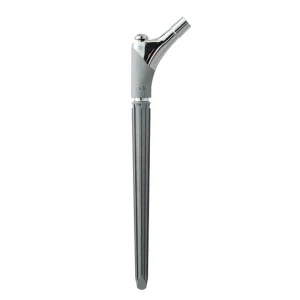
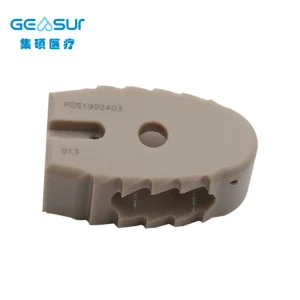
Accelerate your medical device time-to-market with certified engineering excellence, bio-compatible micro-manufacturing, and robust global compliance support.