Alur Orthopedic Implants
Alur Orthopedic Implants
Alur Orthopedic Implants
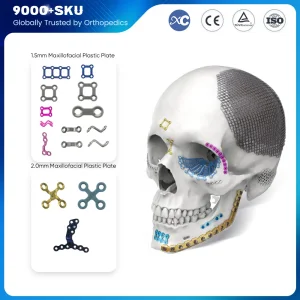
Advanced skull reconstruction and structural plating systems featuring international CE/ISO medical compliance, engineered for public and private healthcare procurement.
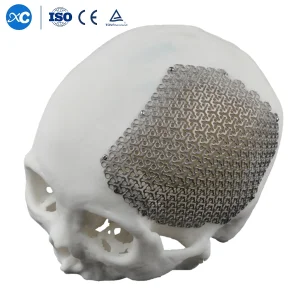
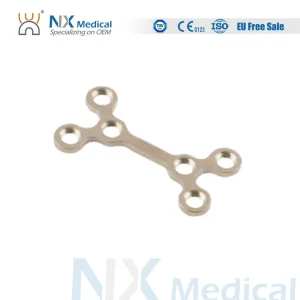

The Namibian medical infrastructure has undergone significant expansion, characterized by a rising volume of complex reconstructive and cranio-maxillofacial (CMF) surgeries. With major referral centers such as Windhoek Central Hospital and the Katutura State Hospital actively processing orthopedic trauma, tumor resections, and congenital abnormalities, the national demand for highly reliable, surgical-grade osteosynthesis implants has spiked dramatically.
Historically, the sub-Saharan region, and Namibia specifically, relied on high-cost European supply lines. This dependency often resulted in supply delays, limited sizing choices, and strain on national public health budgets. Modern procurement models prioritize high-performance titanium and PEEK implants that guarantee biological integration, mechanical durability, and competitive fiscal profiling, allowing hospital networks to scale their trauma units effectively.
The integration of advanced Chinese maxillofacial production systems into the local supply chain acts as an important driver for local surgical access. Transitioning from rigid, generic plating sets to anatomically curved miniplates and patient-specific implants (PSI) ensures that surgeons across Khomas, Erongo, and northern regions can achieve predictable clinical outcomes.
Why leading global clinical groups and local Namibian distributors partner with our advanced Chinese manufacturing base.
Utilization of surgical-grade Titanium (Grade 5 ELI) and medical Polyetheretherketone (PEEK). Our structural implants demonstrate superior biocompatibility and corrosion resistance.
Backed by 27 national utility model patents and 6 core invention patents. Strict QC alignment via testing systems ensures seamless clinical approvals in Windhoek.
Production capability spanning 8,000+ specifications in trauma, spinal, and maxillofacial structures. Fast OEM/ODM workflows allow adjustments for localized anatomical trends.
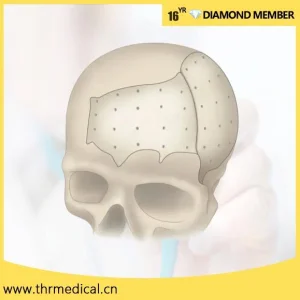
The global maxillofacial implant industry is shifting from standardized plate sizes toward highly tailored, patient-specific designs (PSIs). By leveraging CAD/CAM modeling and advanced medical-grade additive manufacturing, factories can output titanium cranial meshes and mandibular systems customized to the patient's CT scan. This reduces intraoperative plate-bending, drastically minimizes surgery times, and improves aesthetic symmetry post-operation.
Another major trend is the rising integration of Polyetheretherketone (PEEK) for cranial and maxillofacial reconstructions. PEEK exhibits mechanical properties close to human bone, offers complete radiolucency (crucial for post-op oncology monitoring), and eliminates the heat-conduction discomfort occasionally reported with large metal configurations. While titanium remains the clinical standard for high-load mandibular fixation, PEEK has established dominance in elective reconstructive surgeries.
Incorporating a mix of standard 1.0mm/2.0mm locking systems and Custom Patient Specific Implants into procurement lists enables medical directors in Namibia to address both emergency trauma cases (road accidents) and elective corrective orthognathic cases with zero product gaps.
Explore our complete manufacturing series, certified for trauma stabilization, corrective osteotomy, and cranial repairs.
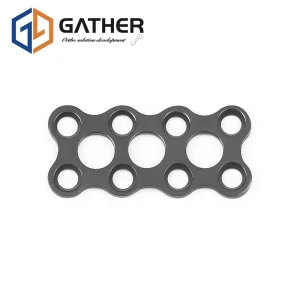
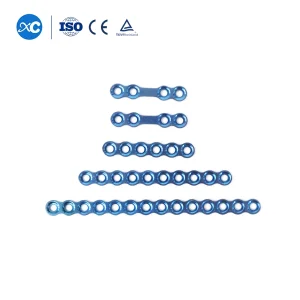
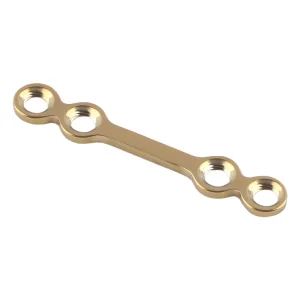
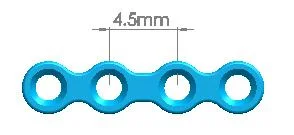
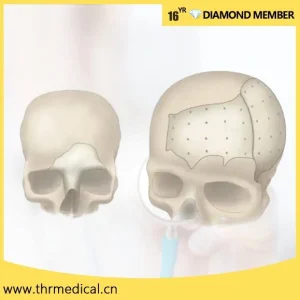
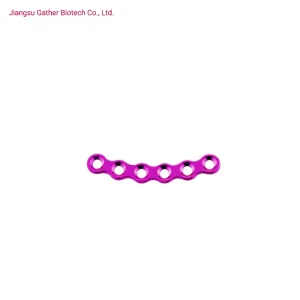
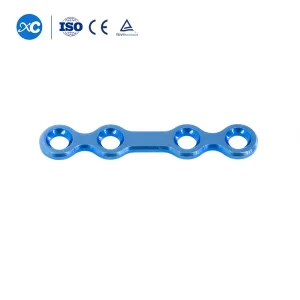
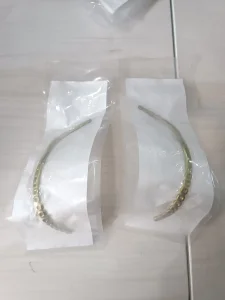

The company places great importance on scientific and technological innovation, as well as new product research and development. Its product development strategy follows the principles of "blue ocean, differentiation, and focus strategy," with a strong emphasis on limb orthopedics, pediatric orthopedics, and internal and external fixation products for foot and ankle surgery.
By establishing core competency barriers, our manufacturing facility has obtained 27 national utility model patent certificates, 6 invention patents, and 2 software copyrights. With a production capacity covering more than 8,000 product specifications in orthopedic trauma, spinal implants, and surgical instruments, the company has gradually established competitive advantages in research and development, production and manufacturing, quality control, marketing, and other key areas.
Our global marketing network is highly active, supported by sales and technical service teams extending across critical export markets including Brazil, Colombia, Peru, Egypt, Morocco, and now rapidly integrating within Southern Africa, including Namibia. Our focus is on long-term clinical relationships, academic promotion, and supporting hospital systems through direct surgical training protocols.
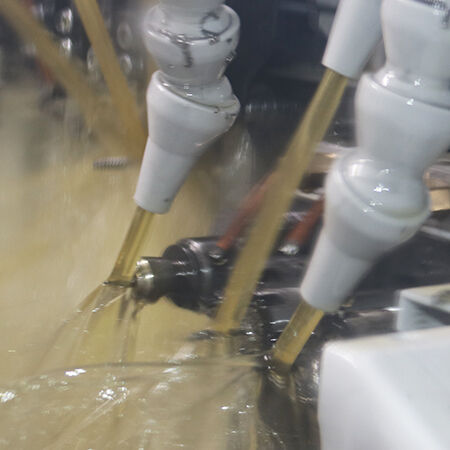
Delivering targeted surgical solutions that address specific medical and emergency priorities in Namibia.
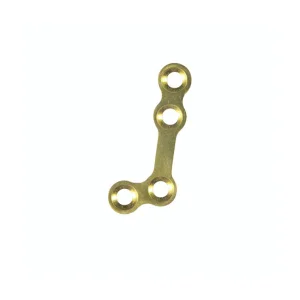
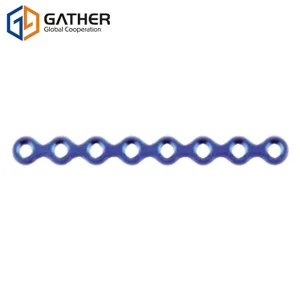
Mitigating complications from high-speed motor vehicle accidents along B1/B2 national routes. Our 2.0mm locking systems and reconstruction plates stabilize complex mandibular and zygomatic fractures rapidly in emergency theaters.
Providing patient-specific solutions for craniofacial reconstructions post osteosarcoma resection or cleft reconstructive procedures. Allows pediatric and adult reconstructive departments in Windhoek to achieve functional restoration.
Supporting Namibia's extensive agricultural and wildlife conservation framework. Our Veterinary Block Face Plates allow clinical practices to perform specialized jaw reconstructions on working dogs, livestock, and protected wildlife.
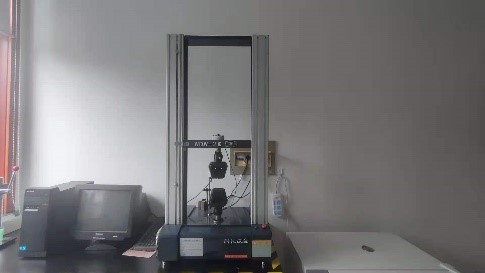
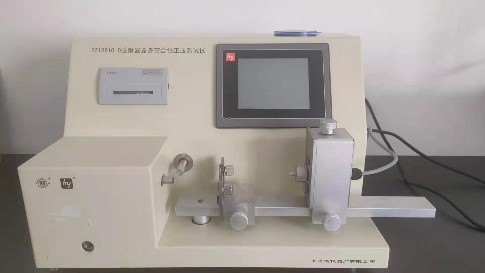
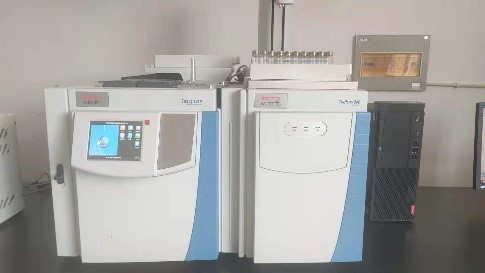
A transparent look inside our precision machining facilities, showcasing advanced manufacturing steps and quality control systems.
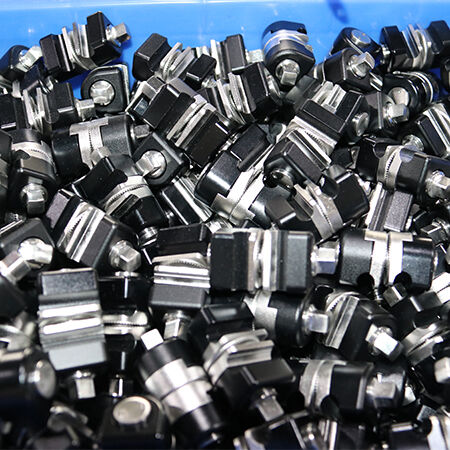
Every maxillofacial plate and implant undergoes strict manufacturing operations, starting with high-precision material milling, followed by specialized bag and tube preparation, micro-assembly, and comprehensive chemical/mechanical testing.
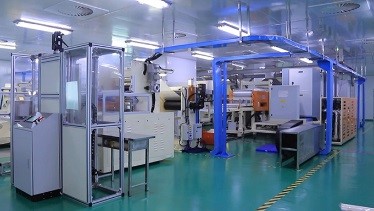
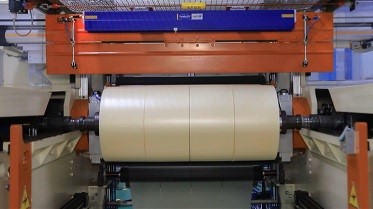
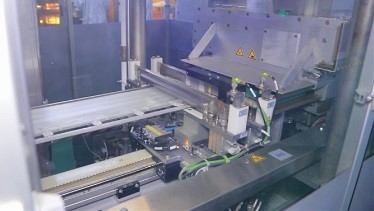
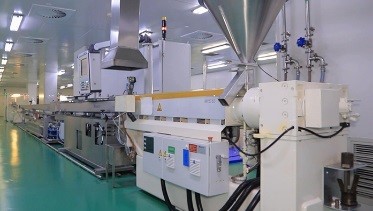
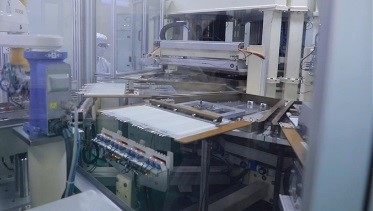
Our clinical academic support programs hosting training seminars and participating in medical exhibitions globally.
Acquiring implant systems on a national scale demands coordination between regulatory approvals, shipping workflows, and localized stock preservation. Our overseas sales division supports medical buyers throughout Namibia with custom solutions:
We supply full-scope documentation packets including CE certificates, ISO 13485 declarations, material trace sheets (Grade 5 Titanium/PEEK), and localized clinical review summaries. Our systems are optimized to integrate with the Central Procurement Board of Namibia guidelines.
Need custom lengths, variable angles, or specialized surgical instrument trays labeled with your medical group's branding? Our engineering department easily alters existing molds to deliver custom setups suited to regional surgical preferences.
For real-time delivery timelines, wholesale container pricing, and sample packages:
Send Inquiry NowAddressing core technical, regulatory, and shipping inquiries for medical stakeholders in Namibia.
We supply comprehensive documentation folders, including CE, ISO 13485, and FDA-equivalent manufacturer certificates, which local Namibian importers require to register our CMF and trauma product lines with the NMRC.
Surgical Titanium provides robust strength and is perfect for micro-curved plates and mesh configurations in high-load zones. Medical PEEK matches bone modulus closer, eliminates thermal conductivity sensitivity, and is completely radiolucent, supporting clean postoperative CT/MRI imaging.
Standard inventory items are dispatched within 7–10 working days. Custom Patient-Specific Implants (PSIs), which require CAD modeling from clinical CT data, typically ship in 3-4 weeks via express air courier (DHL/FedEx) to Windhoek airports.
Yes. We specialize in OEM/ODM partnerships. We can manufacture customized orthopedic and CMF locking plates, matching screws, and targeted surgical instrumentation trays carrying your organization's specifications and branding.
Our implants go through multi-stage cleanroom processing including slitting, tube-making, and assembly. Quality checks are conducted using Tension Testers, Tightness Testers, and Gas Chromatography to guarantee sterile structural integrity before international dispatch.