Alur Orthopedic Implants
Alur Orthopedic Implants
Alur Orthopedic Implants
Immediate-access internal fixation implants engineered to withstand complex skeletal loads. Designed to meet severe osteotomy and trauma stabilization requirements across primary medical facilities in Bamako and regional clinics.
An Analytical Overview of Macro Healthcare Demands, Metallurgical Integration, and Supply Infrastructure for the West African Trauma Framework
The demand for advanced orthopedic internal fixation solutions within Mali has increased substantially over the past decade. This growth is driven by demographic shifts, expanding mining activities in regions like Kayes and Sikasso, and rising urbanization in the capital district of Bamako. Epidemiological data indicates that high-energy trauma, predominantly arising from road traffic accidents involving two-wheeled transport, remains a major cause of compound and multi-fragmentary limb fractures. Concurrently, the regional expansion of surgical capabilities within teaching hospitals—such as Hôpital Gabriel Touré and Hôpital du Point G—has generated an acute requirement for reliable, bio-compatible implants. These must reduce non-union rates and allow for early mobilization to limit the socio-economic impact on patients.
In response to these conditions, the clinical choice has shifted away from conventional non-locking compression plates toward modern Locking Compression Plate (LCP) Systems. The unique environmental and logistical realities of the West African medical market necessitate implants with higher mechanical stability and versatile configuration options. In areas where secondary revision surgery can be logistically challenging for patients living far from major cities, primary internal fixation must deliver long-term mechanical reliability. Supplying high-grade orthopedic locking plates and screws to this market requires a detailed understanding of these clinical factors, ensuring that every implant provides excellent structural support under diverse physiological stresses.
International procurement entities, Ministry of Health supply agencies, and independent surgical distributors operating in West Africa require robust supply chains to ensure high quality and regulatory compliance. Global sourcing for orthopedic devices involves balancing structural integrity, bio-metallurgical safety, and cost efficiency. For hospitals in Mali, procurement strategies look beyond the initial purchase price. They focus heavily on total clinical outcomes, which includes evaluating the risk of implant failure, the compatibility of surgical instrumentation, and the availability of responsive technical support.
Our industrial response focuses on providing a comprehensive trauma portfolio that simplifies inventory management for local distributors. By standardizing manufacturing techniques and utilizing advanced titanium alloys (Ti-6Al-4V ELI and Grade 4 Pure Titanium), we ensure that suppliers can access durable implants that match international clinical benchmarks. Our macro-level solution integrates variable-angle hole profiles with robust instrumentation kits, allowing surgeons to tackle challenging anatomical re-alignments with fewer individual product references. This reduces the administrative and storage burden on local logistics chains while maintaining extensive surgical versatility.
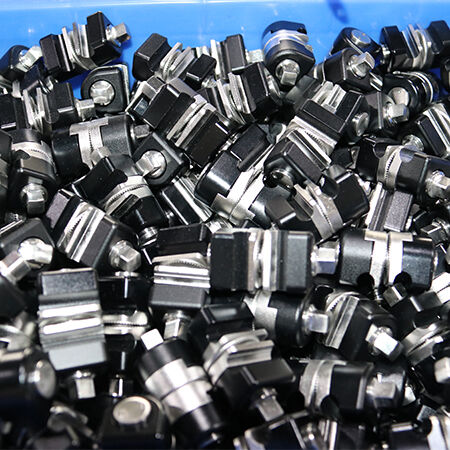
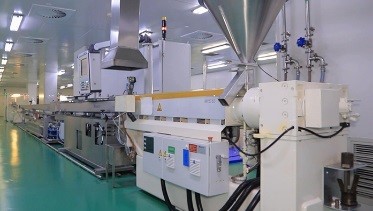
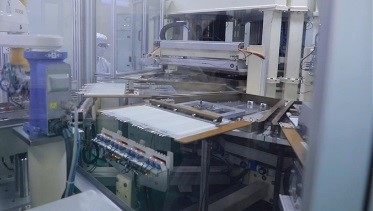
Our long-term manufacturing roadmap centers on continuous innovations in surface modifications and structural engineering for locking systems. Recognizing the physiological stress profiles of active patient groups, our research and development emphasizes minimizing the risks of stress shielding and galvanic corrosion. By using advanced CNC Swiss-type automatic lathes and precision milling centers, our locking screws achieve highly consistent pitch tolerances. This ensures smooth engagement with plate threads and prevents cold-welding during intraoperative insertion.
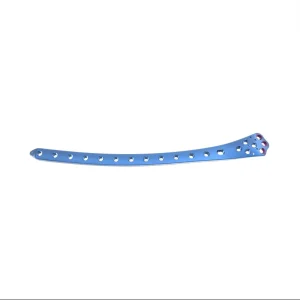
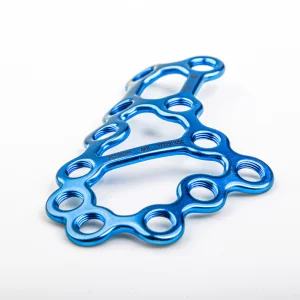
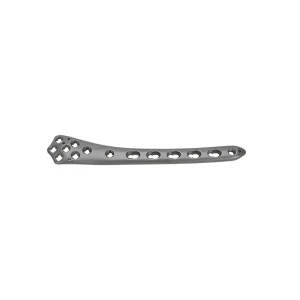
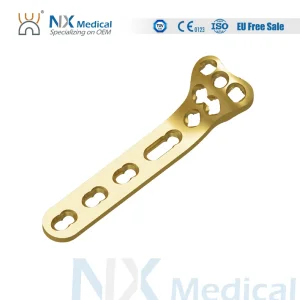
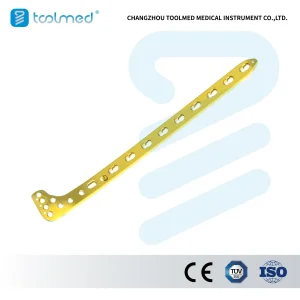
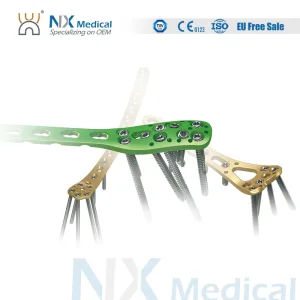
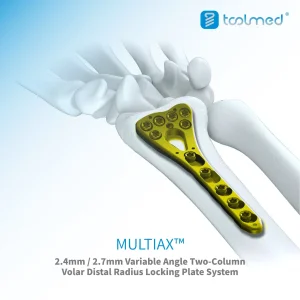
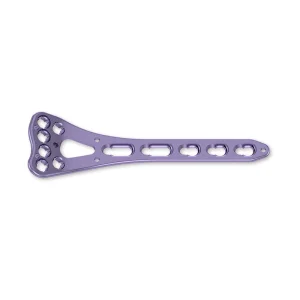
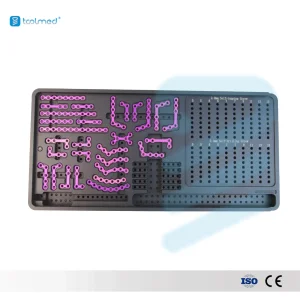
Our technical development includes the integration of Variable Angle (VA) Locking Systems across all major trauma lines, including distal radius, humeral, tibial, and femoral plates. Rather than limiting locking constructs to a single fixed axis, variable angle configurations permit up to a 15-degree cone of angulation. This enables target-specific screw placement around complex fracture lines or joints. Furthermore, our titanium implants undergo type-II anodization, which improves fatigue resistance, reduces wear debris generation, and creates a clear, color-coded visual identification system that streamlines instrument tray management during procedures.
Type-II electrochemical surface conversion enhances biocompatibility, prevents tissue adhesion, and eliminates aluminum ion release under heavy physical loads.
Combined hole configurations support both dynamic compression and stable locking, allowing surgeons to choose the optimal fixation mechanism for each case.
The company places great importance on scientific and technological innovation, as well as new product research and development. Its product development strategy follows the principles of "blue ocean, differentiation, and focus strategy," with a strong emphasis on limb orthopedics, pediatric orthopedics, and internal and external fixation products for foot and ankle surgery. The company has obtained 27 national utility model patent certificates, 6 invention patents, and 2 software copyrights.
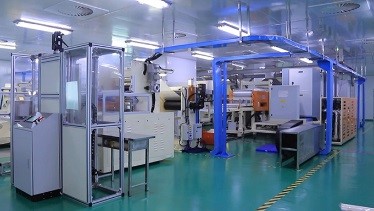
With a production capacity covering more than 8,000 product specifications in orthopedic trauma, spinal implants, and surgical instruments, the company has gradually established competitive advantages in research and development, production and manufacturing, quality control, marketing, and other key areas. Our production environment includes certified ISO Class 7 cleanrooms for final product inspection, clean packing, and assembly, ensuring that contamination risk is minimized before sterilization.
The marketing team consists of more than 40 professionals, with sales and technical service personnel present in over 20 major cities. The company has built a comprehensive marketing network covering 31 provinces and regions domestically, collaborating with more than 300 dedicated agents and serving over 300 top-tier teaching hospitals. It actively engages in academic promotion, technical services, and product training, participating in or hosting more than 50 academic conferences for orthopedic doctors annually. Our self-operated export business is also taking shape, with sales extending to countries such as Brazil, Colombia, Peru, Egypt, and Morocco, and expanding consistently within sub-Saharan West African hubs.
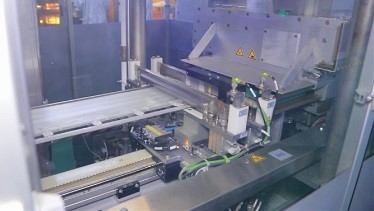
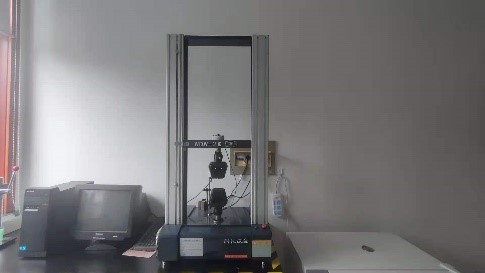
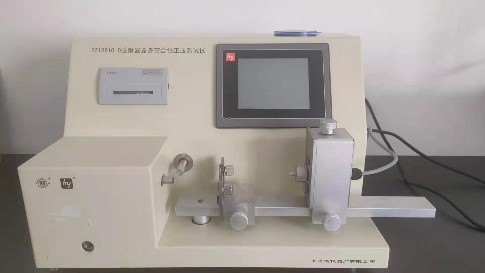
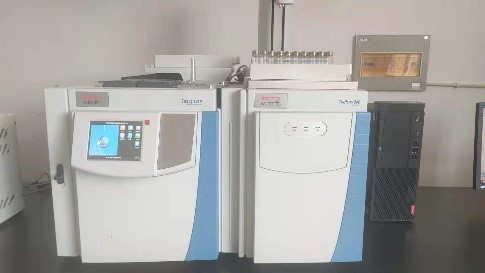
To maintain absolute quality control across our 8,000 product specifications, our testing labs employ a multi-layered verification framework. Material trace verification involves continuous spectroscopic evaluation of arriving raw titanium bars to confirm conformity with international standards. Structural mechanical evaluations utilize automated stress testing apparatus to measure fatigue limitations under real-world physiological simulations.
Navigating the product registration requirements of West African healthcare regulations involves an ongoing commitment to transparency and meticulous documentation. Our osteosynthesis portfolios maintain full compliance with international certification requirements, including ISO 13485 quality management standards for medical devices and relevant CE directives. We provide local ministries and procurement partners in Mali with complete documentation packets. This includes material test certificates, manufacturing batch history logs, and validation studies for gas sterilization cycles, helping to ensure smooth customs clearance and regulatory processing.
In addition, our distribution framework emphasizes technical support for regional operating room staff. Recognizing that the success of a locking plate system depends on correct surgical technique, we offer comprehensive product training manuals, torque screwdriver calibration protocols, and step-by-step screw insertion guides. By coordinating with local distributors, we help ensure that surgical teams receive the specialized instrumentation and training necessary to optimize patient outcomes in complex trauma cases.
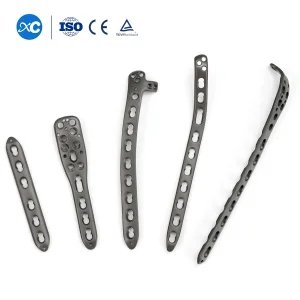
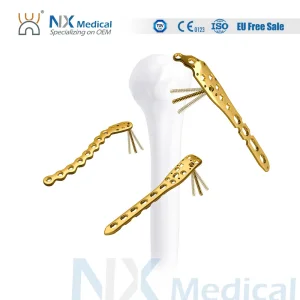
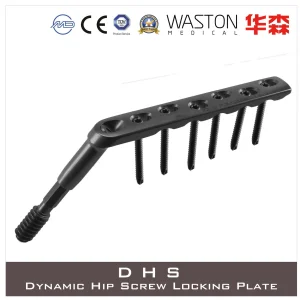
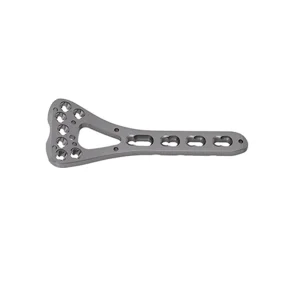
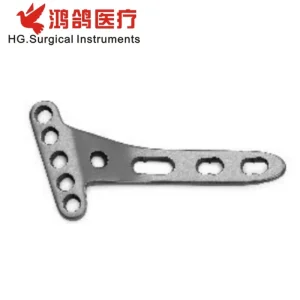
Explore our certified range of anatomically pre-contoured locking plates, variable angle systems, and trauma fixation assemblies.
Addressing Regulatory Compliance, Material Specifications, and Supply Chain Questions for B2B Importers and Hospital Boards